Purposeful play. Powerful practice.
Teaching with centers is about turning every corner of the classroom into a chance to grow. One group reads with a partner, another builds numbers with blocks, another writes at the word wall—and the teacher moves where she's needed most. With a background in education, curriculum design, and environmental sustainability, Jazlyn Marcos designs centers that are structured, flexible, and joyful. Every station has a clear goal, every student knows the routine, and every child gets the practice they need—without feeling like practice at all.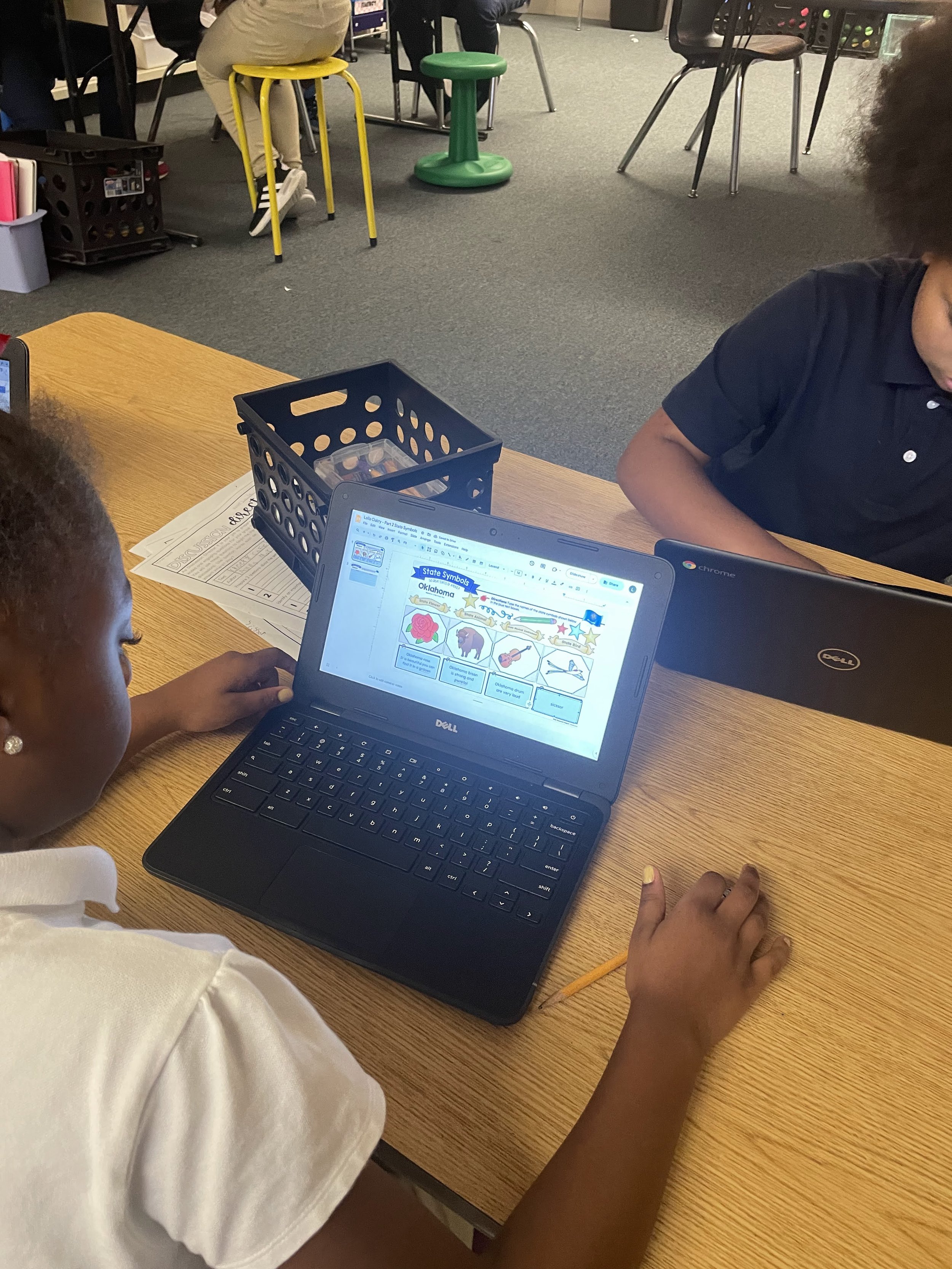
Technology
Technology in centers for early childhood (K-3rd) means integrating developmentally appropriate digital tools into rotational stations—such as tablets with phonics apps for kindergartners, simple coding games like ScratchJr for first graders, typing practice for second graders, and research or slide-making for third graders—so that every child gets consistent, supervised exposure to technology without it dominating the entire day. We do this because young children need to build digital literacy alongside social and fine motor skills, and centers allow for short, purposeful tech rotations (10-15 minutes) where the screen is just one tool among many, not a babysitter or a reward.
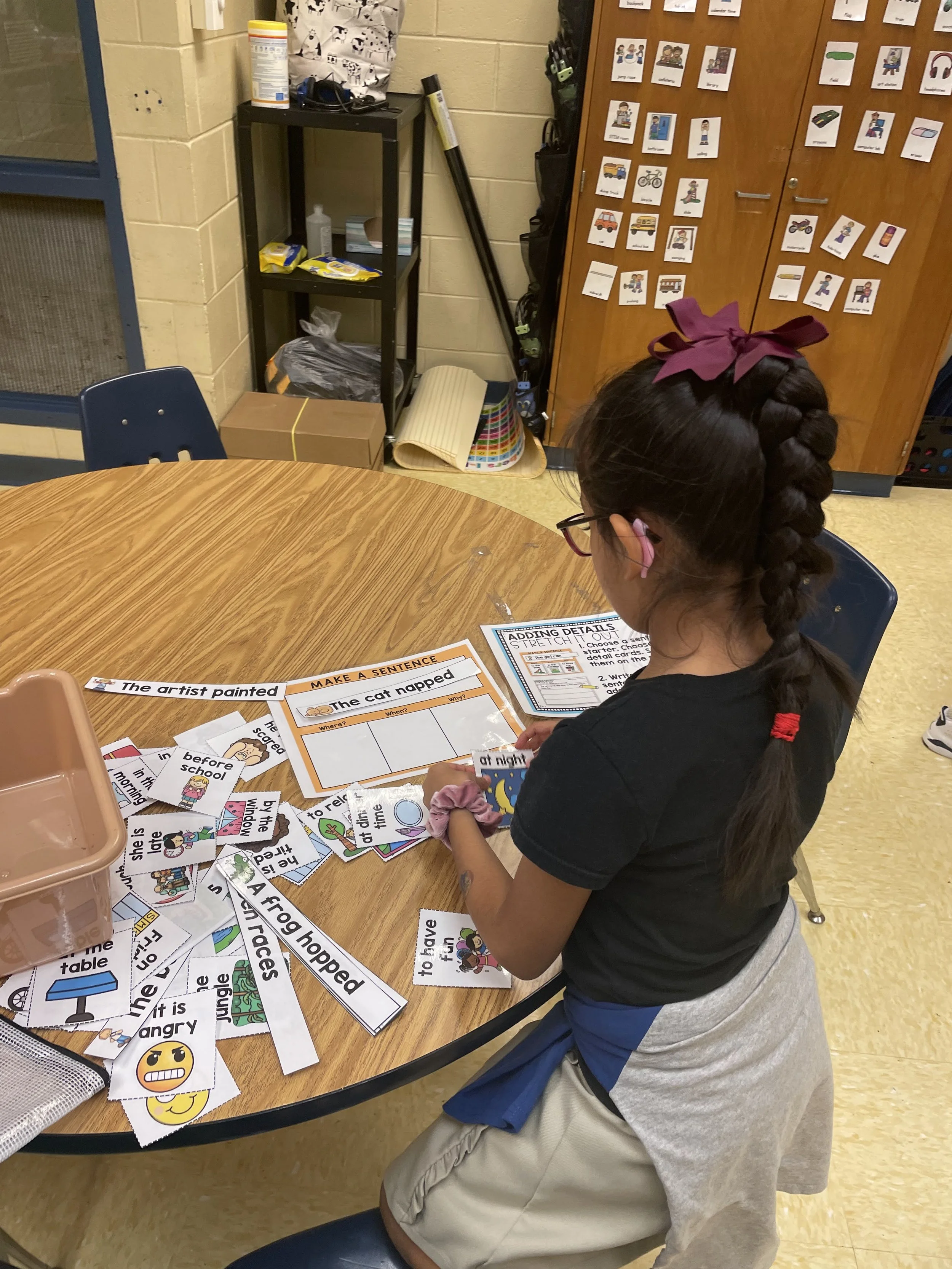
Independent
Building independence through learning centers means designing classroom stations where young children learn to manage themselves—gathering materials, following visual or written directions, making choices, completing a task, and cleaning up—without needing a teacher to walk them through every single step. We do this because children who can work independently gain confidence, stamina, and problem-solving skills that transfer directly to writing, math, reading, and eventually homework and life; a kindergartner who learns to put her puzzle back on the shelf is also learning to take responsibility, and a third grader who checks her center chart and rotates without being told is practicing executive function.
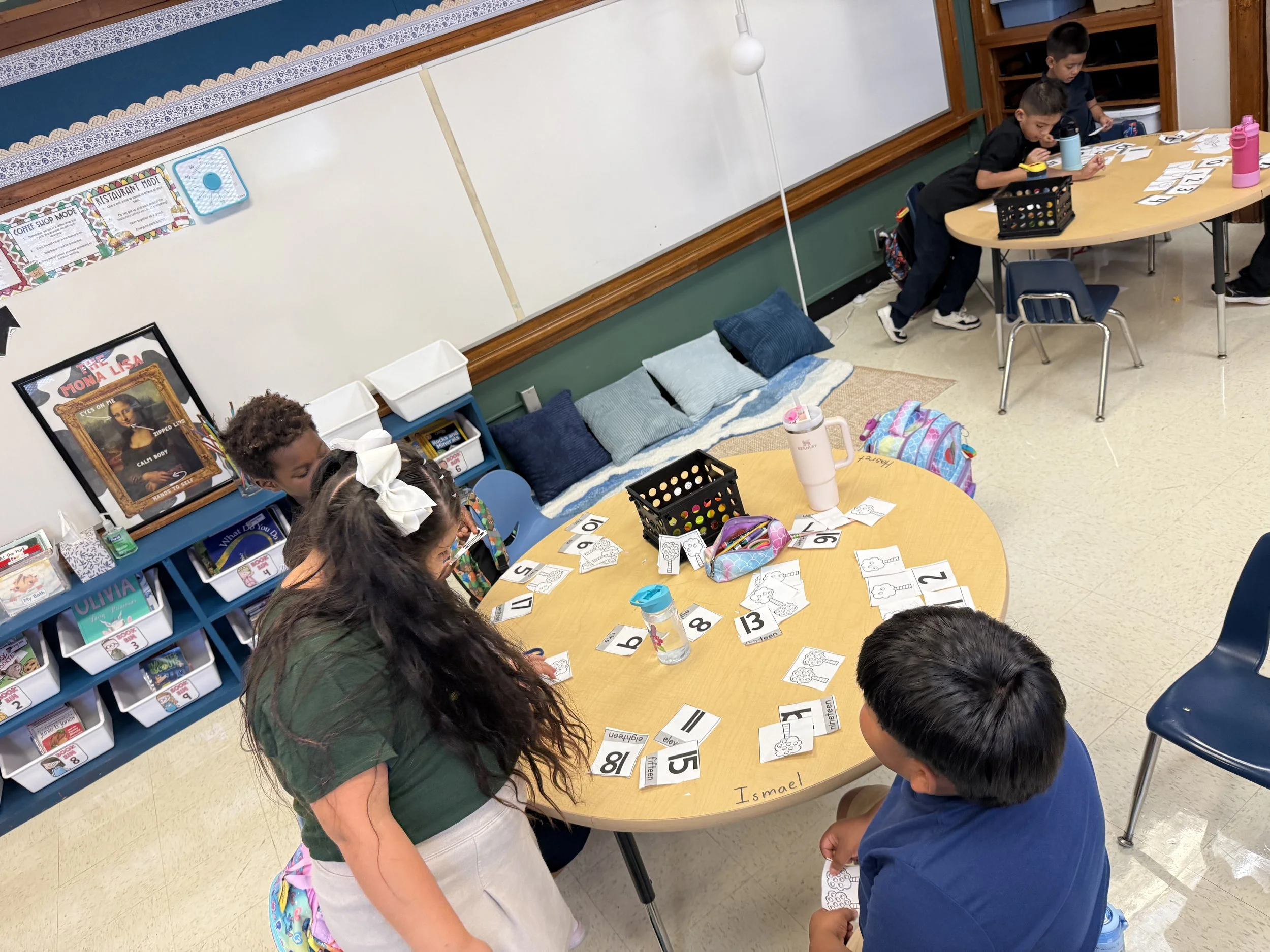
Rotations
Using rotations in centers means structuring classroom time so that small groups of students move from one station to the next on a predictable schedule—for example, 12 minutes at the teacher table, 12 minutes at the technology station, 12 minutes at a hands-on math game, and 12 minutes at independent reading—until every group has visited every center. We do this because rotations ensure that all children get equal access to direct instruction, technology, collaborative practice, and independent work, while also teaching essential life skills like transitioning quietly, managing time, and staying on task without constant redirection.